Building a High-Performance Culture: What NASCAR Pit Crews Teach Every Organization
Building a High-Performance Culture: What NASCAR Pit Crews Teach Every Organization
In a NASCAR pit stop, a crew of over-the-wall athletes changes four tires, adjusts the car, and sends a driver back into a 200-mile-an-hour race in about 12 seconds. There's no time for confusion about roles, no room for hesitation, and zero tolerance for a missed assignment. Every motion has been drilled, trusted, and refined long before the car ever comes down pit road.
Most organizations will never operate under that kind of literal time pressure. But the underlying question is the same one every leadership team eventually has to answer: when it matters most, does your team perform — or does it fall apart? That question is where strategy stops being the differentiator and culture takes over. Talent gets an organization in the race. A genuine high-performance culture is what determines whether it wins consistently, under pressure, without everything falling apart the moment conditions change.
This is the territory Shaun Peet has built his career on — translating what he learned leading elite pit crews into a framework organizations can use to build stronger, more resilient teams. It's also the foundation of his co-authored book, 12 Second Culture.
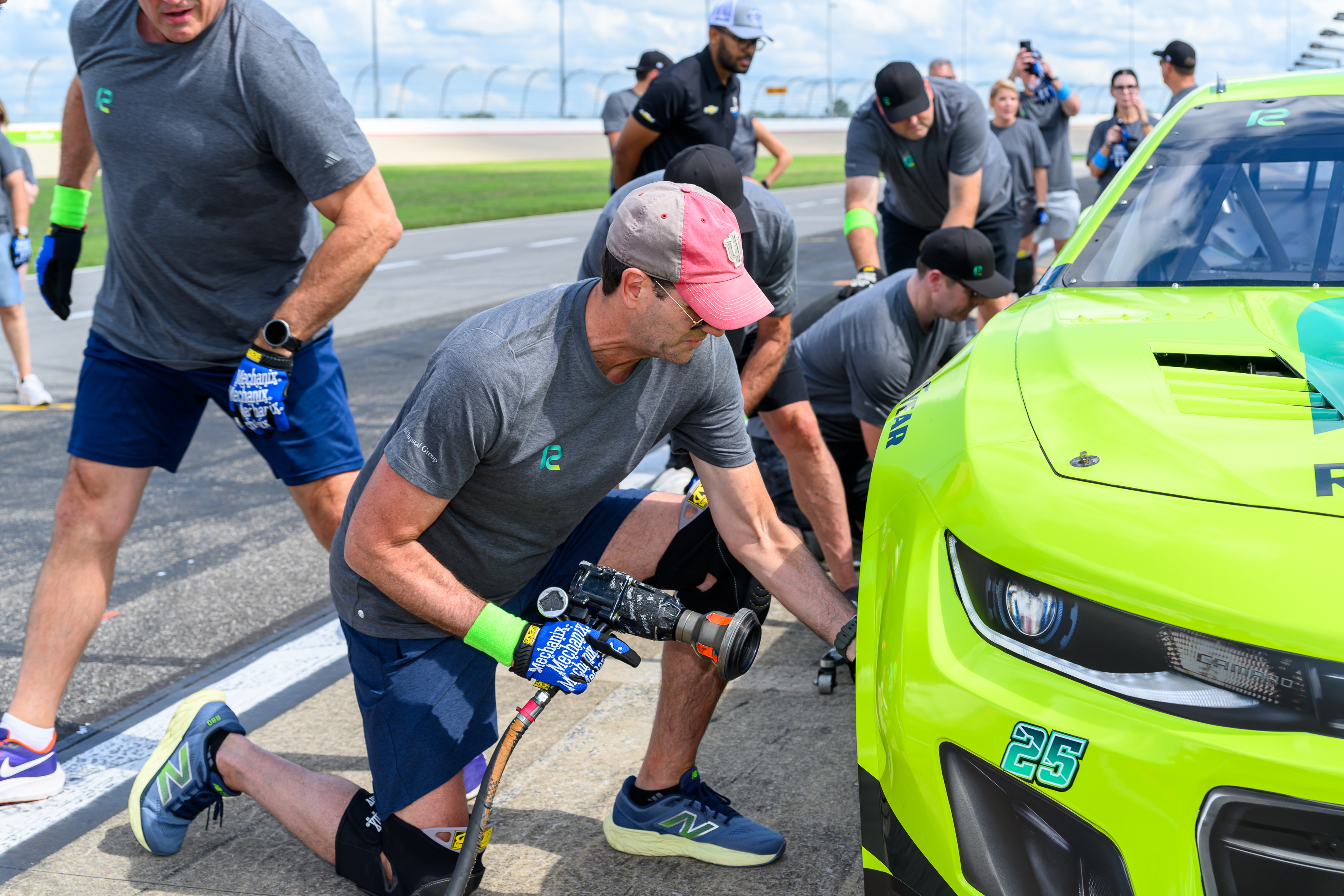
What High-Performance Culture Actually Means
"Culture" gets used loosely in most organizations — usually to describe perks, values statements, or how people generally feel about coming to work. A true high-performance culture is narrower and more demanding than that. It's the set of shared standards, habits, and expectations that determine how a team behaves when no one is double-checking their work and when the pressure is highest.
A performance culture in the workplace isn't built on motivational language. It's built on repeatable behavior — the way people communicate under stress, how quickly problems get surfaced instead of hidden, and how consistently the team executes when the outcome actually matters. Organizations with a real culture of excellence don't just perform well on their best day; they have a floor beneath their worst day that most competitors can't match.
That's the core distinction leaders need to internalize: strategy tells a team what to do. Culture determines whether they can actually do it when it counts.
The 12-Second Philosophy: Precision and Teamwork Under Pressure
The idea behind a 12-second culture isn't about speed for its own sake — it's about what has to be true before speed is even possible. A pit crew's brief, high-pressure performance is really the visible tip of hundreds of hours of preparation: clearly defined roles, relentless repetition, and a level of trust between teammates that allows each person to focus entirely on their piece of the job.
That's the lesson for any organization chasing a speed and precision culture of its own. Fast, flawless execution under pressure is never accidental. It's the byproduct of a team that has clarified who owns what, practiced their handoffs long before the pressure hit, and built enough trust that hesitation isn't part of the equation. When something does go wrong — and in racing, as in business, it eventually will — a high-performance team adjusts in real time instead of freezing or assigning blame.
Applied outside the garage, this philosophy becomes a practical model for building a high-performance culture in any industry: prepare relentlessly, define roles with total clarity, and train the team to execute under pressure the same way they execute in practice.
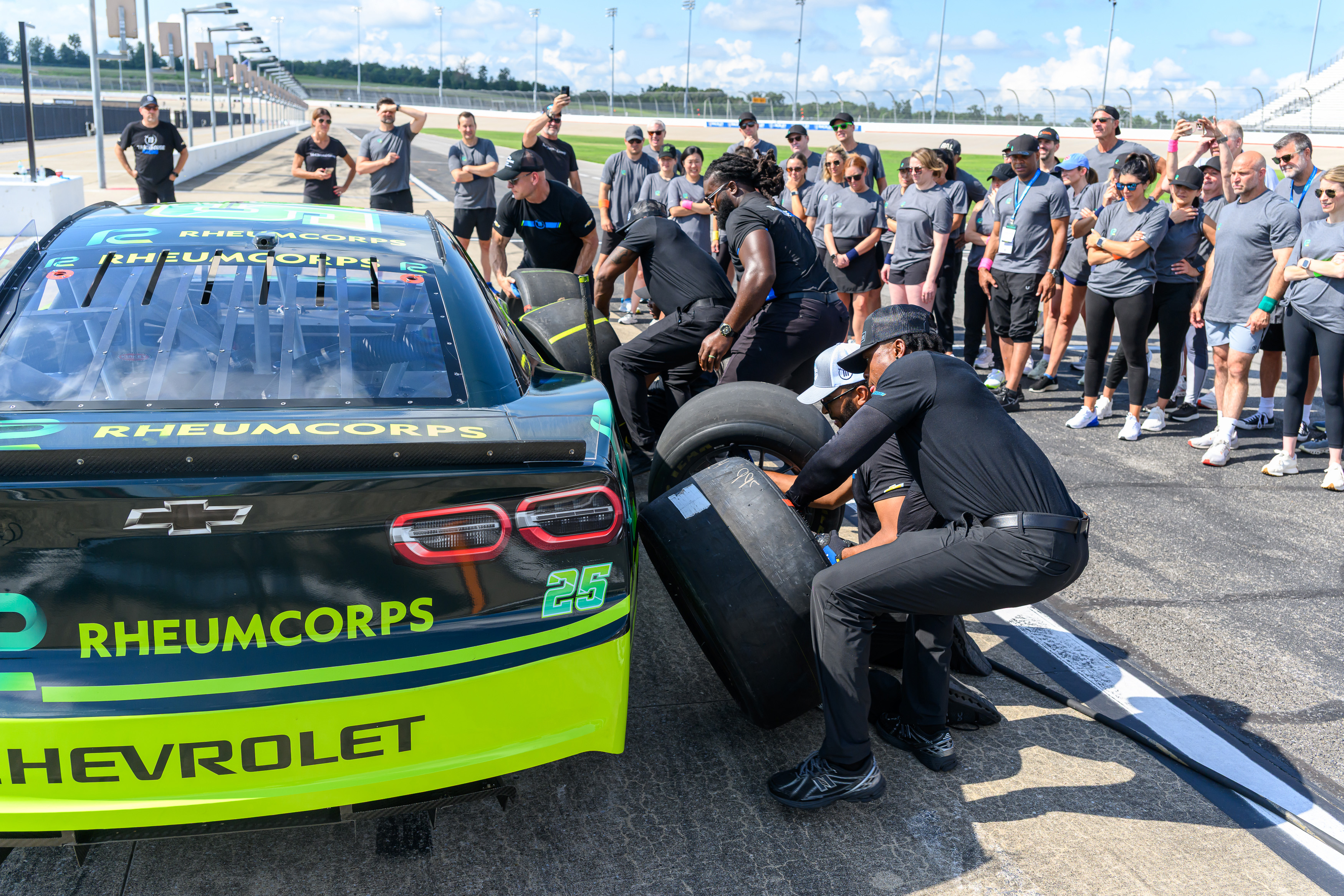
The Core Building Blocks of a High-Performance Culture
Whether the environment is a pit road or a boardroom, the same foundational elements show up in every organization that performs consistently at a high level:
Clarity of roles — Every person knows precisely what they own, where their responsibility ends, and how it connects to the person next to them. Ambiguity is one of the fastest ways to slow a team down under pressure.
Trust — Teammates have to believe the person beside them will do their job right, every time, without needing to check. Trust is what allows people to move fast without stepping on each other.
Accountability — High-performing teams review performance honestly, own mistakes quickly, and correct course without ego getting in the way.
Continuous improvement — The standard is never "good enough." Elite teams study their own performance constantly, looking for the next fraction of a second, the next efficiency, the next fix.
Performing under pressure — This is where culture is truly tested. Anyone can execute a plan when conditions are ideal; a genuine high-performance culture shows up when they aren't.
These building blocks don't stay confined to any one department. They shape how a leadership team communicates, how a sales floor handles a lost deal, and how a frontline team responds when a customer issue escalates. Building a high-performance culture means installing these habits everywhere, not just where it's convenient.
Meet Shaun Peet: From the Pit Wall to the Podium
Shaun Peet spent his career in one of the most unforgiving performance environments there is — leading and coaching elite pit crews where a single hesitation could cost a race. That experience gave him a front-row seat to what actually separates teams that perform under pressure from teams that only look good in practice: it's culture, built deliberately, long before the pressure ever arrives.
Shaun co-authored 12 Second Culture to translate those hard-won lessons from the racetrack into a framework any organization can apply, regardless of industry. The book's central idea — that extraordinary performance under pressure is the product of clarity, trust, and relentless preparation, not luck or talent alone — now anchors his work as a culture and performance speaker. Today, Shaun works with organizations to help leadership teams and employees adopt that same precision-under-pressure mindset, translating it into practical habits their people can use every day. As an organizational culture speaker, he focuses less on abstract inspiration and more on giving teams a repeatable model they can put to work immediately.
What to Look for in a Culture and Performance Speaker
For leaders and event organizers planning a conference, leadership offsite, or culture workshop, choosing the right voice matters. A generic workplace culture speaker can deliver energy for an hour — but shifting how an organization actually performs requires something more substantial. Here's what to prioritize:
Real-world credibility — Look for a speaker whose framework comes from lived, high-stakes experience, not just theory or secondhand research.
A clear, memorable framework — The best organizational culture speakers leave audiences with a concrete model they can apply immediately, not just inspiration that fades by Monday.
Relevance to your team's pressure points — The strongest sessions connect directly to the specific moments where your organization needs to perform better under pressure.
A track record of practical application — A speaker should be able to translate big ideas into building blocks — roles, trust, accountability — that teams can put to work right away.
Energy that matches the message — A session on high-performance culture should feel like one. Look for a speaker who brings the same intensity and precision they're asking the audience to adopt.

Book Shaun Peet for Your Next Event
If your organization is ready to move beyond strategy documents and values posters and start building a culture that actually performs under pressure, Shaun Peet brings a framework that's been tested where the margin for error is measured in seconds. Whether it's a keynote for your next conference, a leadership offsite, or a hands-on culture workshop, Shaun helps teams translate the discipline of a 12-second culture into their own everyday execution.
Ready to bring this experience to your next event? Reach out to Shaun Peet at [email protected] or visit shaunpeet.com to check availability and start the conversation.