Employee Engagement and Retention: Why Culture Is Now a Business-Critical Priority
Employee Engagement and Retention: Why Culture Is Now a Business-Critical Priority
Every organization eventually asks the same question: why do good people leave? The honest answer rarely has much to do with pay. It has to do with leadership, recognition, growth, and whether employees feel like they matter. That's why employee engagement and retention have moved from an HR talking point to a boardroom priority — the organizations that figure this out are pulling ahead, and the ones that don't are paying for it in lost talent, lost knowledge, and lost momentum.
Turnover isn't just a staffing inconvenience. It's a performance problem, a culture problem, and increasingly, a customer experience problem. Disengaged employees show up, but they don't bring their full effort, their best ideas, or their commitment to the mission — and many eventually leave. For HR leaders, executives, and people managers trying to build teams that last, understanding what actually drives engagement is no longer optional.
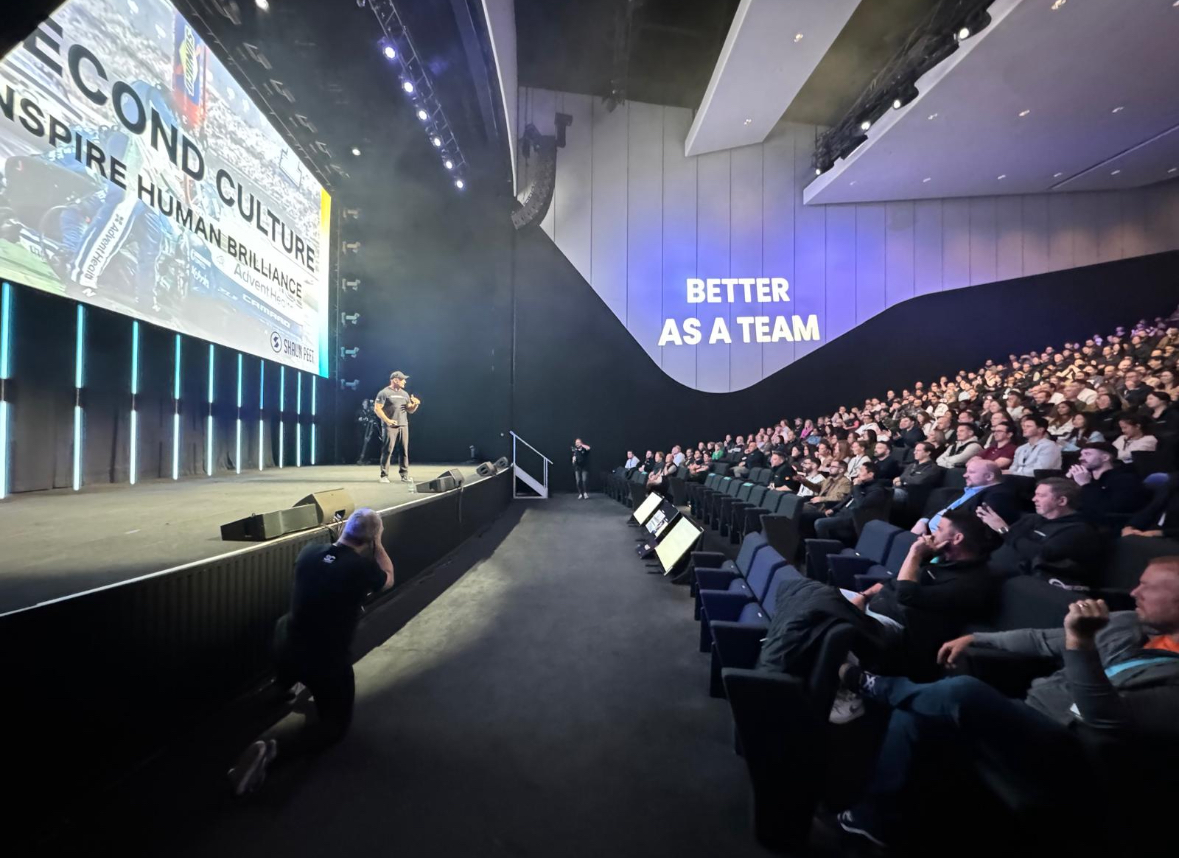
This is exactly the conversation Shaun Peet brings to organizations as an employee engagement speaker — helping leadership teams, conferences, and offsites move past generic "employee happiness" advice and into practical strategies for building a culture people don't want to leave.
What Employee Engagement Really Means
Workplace engagement gets thrown around as a buzzword, but at its core, it's simple: engaged employees care about the outcome of their work, not just the completion of it. They show initiative. They speak up. They stay late when it matters and go looking for a better way to do things instead of waiting to be told.
Disengagement looks different — and it's often quieter than leadership expects. It shows up as employees doing the minimum required, checking out of meetings, avoiding extra responsibility, and job-searching quietly while still collecting a paycheck. By the time disengagement becomes visible in performance metrics, it's usually already cost the organization months of lost productivity.
Real engagement isn't about ping-pong tables or free snacks. It's built through leadership quality, clear communication, recognition that feels genuine, and a culture where employees trust that their contribution is seen and valued. That's the foundation every retention strategy has to be built on.
The True Cost of Disengagement and Turnover
Every leader knows turnover is expensive — but most underestimate exactly how expensive, because the real cost is spread across categories that rarely show up on the same spreadsheet.
- Productivity loss. Disengaged employees produce less, make more errors, and drag down the output of the teams around them — a drag that compounds across every project they touch.
- Rehiring and onboarding costs. Recruiting, interviewing, hiring, and training a replacement takes real time and real budget — and a new hire typically takes months to reach full productivity, during which the team absorbs the gap.
- Culture erosion. Every departure sends a signal to the rest of the team. When your best people leave, the employees who stay start asking why — and start looking too.
- Customer experience impact. Disengaged employees interact with customers, clients, and partners. That disengagement doesn't stay internal — it shows up in service quality, consistency, and brand reputation.
Reducing employee turnover isn't just about protecting headcount. It's about protecting institutional knowledge, team morale, and the consistency of the experience your organization delivers — to employees and customers alike.
What Actually Drives People to Stay
If pay isn't the primary driver of retention, what is? Organizations that successfully build a culture people don't want to leave tend to get a handful of fundamentals right, consistently:
- Leadership quality. People don't leave companies, they leave managers. Employees stay for leaders who communicate clearly, coach instead of criticize, and treat their team with respect under pressure.
- Recognition. Not empty praise — specific, timely acknowledgment that shows an employee their work is seen and valued.
- Growth opportunities. Employees who can't see a future for themselves inside an organization start looking for one outside it.
- A sense of purpose. People commit harder when they understand how their work connects to something bigger than a task list.
- Trust. Retention is built on employees believing leadership will be honest with them, back them up, and follow through on what's promised.
None of these are complicated ideas. What's hard is building them into the daily operating rhythm of a team — consistently, under pressure, at scale. That's where most employee retention strategies fall apart: they look good in a presentation but don't survive contact with a busy quarter.
Meet Shaun Peet: Employee Engagement Keynote Speaker
Shaun Peet brings a perspective on engagement and retention that comes from one of the highest-pressure team environments in professional sports: the NASCAR pit crew. In that world, execution is everything, trust is non-negotiable, and there is no room for a disengaged team member — because the cost of disengagement shows up immediately, in front of everyone.
Shaun translates those high-performance, high-trust team principles into practical strategies for corporate leaders, executives, and people managers working to build cultures where employees feel connected, valued, and motivated to stay. As an employee engagement speaker and employee retention speaker, he doesn't deliver generic morale-boosting talks — he delivers a results-focused framework for how leaders build the kind of company culture and retention outcomes that hold up under real business pressure.
Organizations bring Shaun in because his message is grounded, credible, and immediately actionable — leadership teams leave with a clear understanding of what's actually driving disengagement in their organization, and what to do about it starting the next day.

What to Look for in an Employee Engagement Speaker
For HR leaders and event organizers evaluating a keynote speaker for employee retention, not every speaker on the topic delivers the same value. Here's what separates a genuinely useful engagement speaker from a forgettable one:
- Real-world credibility. Look for a speaker whose experience with high-performing teams goes beyond theory — someone who has led, built, or been part of a team where engagement and execution were non-negotiable.
- Practical takeaways, not just inspiration. A great keynote should leave leaders with strategies they can apply immediately, not just a temporary morale boost.
- Relevance to your audience. The best engagement speakers tailor their message to the specific pressures your organization is facing — whether that's high turnover, a leadership transition, or a culture rebuild.
- A track record of engaging different audiences. Whether it's a large conference, a leadership offsite, or an internal all-hands event, the speaker should be able to connect with the room and adapt the message accordingly.
- A message built for retention, not just morale. Ask whether the speaker's content ties back to measurable culture and retention outcomes, not just an entertaining hour on stage.
Choosing the right speaker for an event focused on culture, engagement, or retention isn't just about filling a keynote slot — it's about giving your leadership team a framework they'll still be using months later.

Book Shaun Peet for Your Next Event
If your organization is serious about improving employee engagement and building a culture that retains top talent, the conversation needs to start with leadership — and that's exactly where Shaun Peet's keynote delivers. Whether you're planning a corporate event, an industry conference, a leadership offsite, or an internal culture initiative, Shaun brings a practical, high-performance perspective that leaders and teams remember long after the event ends.
Ready to bring an employee engagement and retention keynote to your next event? Contact Shaun Peet to check availability and start building the culture your people don't want to leave.