Leading Through Change: Why Every Organization Needs a Change Management Speaker Right Now
Leading Through Change: Why Every Organization Needs a Change Management Speaker Right Now
Change doesn't announce itself politely and wait for a convenient time. It arrives mid-quarter, mid-restructuring, mid-strategy — usually while the team is already stretched thin. New technology upends a workflow overnight. A market shift forces a pivot. A reorg lands on a Monday morning with no warning. The organizations that come out ahead aren't the ones that avoid disruption; they're the ones whose leaders know how to move through it without losing their people along the way.
That's why the ability to lead through change has become one of the most valuable — and most rare — skills in leadership today. It's also why more companies are bringing in a change management speaker to prepare their leaders and teams before the next disruption hits, not after.
Why Change Management Matters Now More Than Ever
Constant disruption is no longer the exception — it's the operating environment. Technology cycles compress faster than teams can absorb them. Economic pressure forces leaner headcounts and tighter timelines. Restructuring, M&A activity, and shifting customer expectations mean the org chart and the game plan can both look different by next quarter.
Organizational agility isn't a buzzword in this environment — it's a survival skill. Teams that can absorb change, recalibrate quickly, and keep executing under new conditions outperform the ones that freeze, resist, or wait for clarity that never fully arrives. And that agility starts at the top. Leaders set the tone for how a team experiences change: as a threat to manage defensively, or as a moment to adapt and move forward with purpose.
Leadership during change is a fundamentally different skill set than leadership during stability. It demands faster decisions with less information, clearer communication when uncertainty is high, and the composure to keep a team focused when the plan shifts underneath them. Managing organizational change well isn't something leaders figure out in the moment — it's a capability built in advance. Organizations that invest in developing it before a crisis forces the issue put themselves in a stronger position to handle whatever comes next.
Traits of Leaders Who Adapt Well Under Pressure
Not every leader responds to disruption the same way. The ones who consistently guide their teams through change well tend to share a common set of traits:
- Clarity. They can distill a chaotic situation into a clear direction, even when they don't have every answer yet.
- Communication. They over-communicate rather than under-communicate, closing the information gaps where fear and rumor usually take hold.
- Decisiveness. They make the call with the information available instead of stalling in search of certainty that isn't coming.
- Composure under pressure. They stay calm and steady, which gives their team permission to do the same.
- Adaptability. They treat the plan as a starting point, not a contract, and adjust in real time as conditions change.
These traits aren't personality quirks — they're skills that can be built and sharpened. That's precisely the gap a change management keynote speaker is brought in to close: giving leaders a practical framework for adapting under pressure instead of leaving it to instinct.
Why Most Change Initiatives Fail
Change initiatives don't usually fail because the strategy was wrong. They fail because of what happens in the execution — specifically, in the moments when pressure is highest and leadership matters most. The most common breakdowns include:
- Poor communication. Leaders assume people understand the "why" behind the change when, in reality, silence gets filled with anxiety and resistance.
- Lack of buy-in. Change that's announced instead of built with the team rarely sticks, because people support what they help shape.
- Leaders freezing under pressure. When leadership hesitates, delays decisions, or visibly struggles with uncertainty, that hesitation cascades through the entire organization.
Change initiative failure rates are frequently cited in leadership research, and the underlying pattern holds regardless of the exact number: navigating uncertainty at work is a leadership problem before it's a process problem. The right mindset — reinforced through the right speaker, at the right moment — helps leaders recognize these failure points before they derail the initiative, not after.
Shaun Peet: A Real-World Perspective on Performing Under Pressure
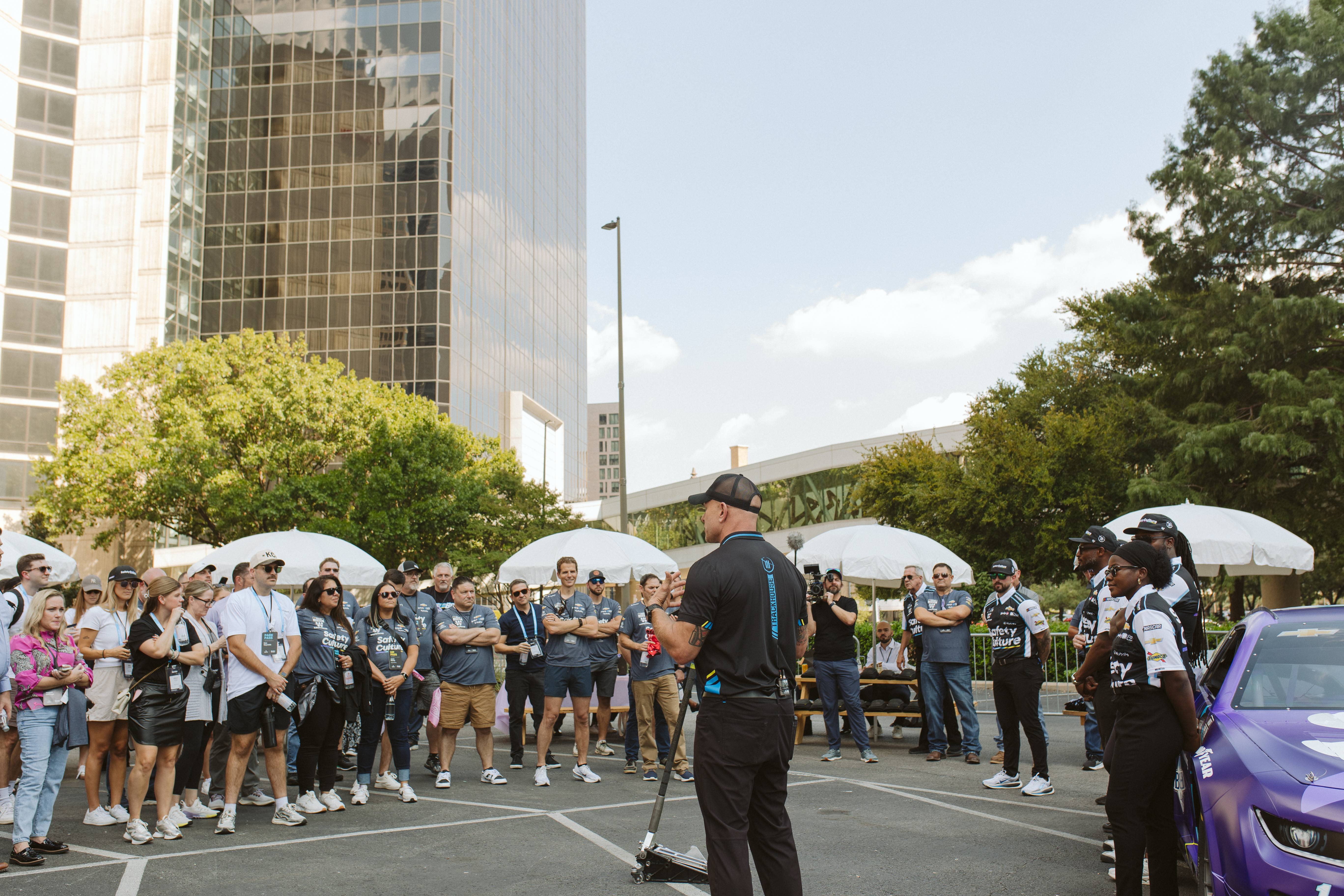
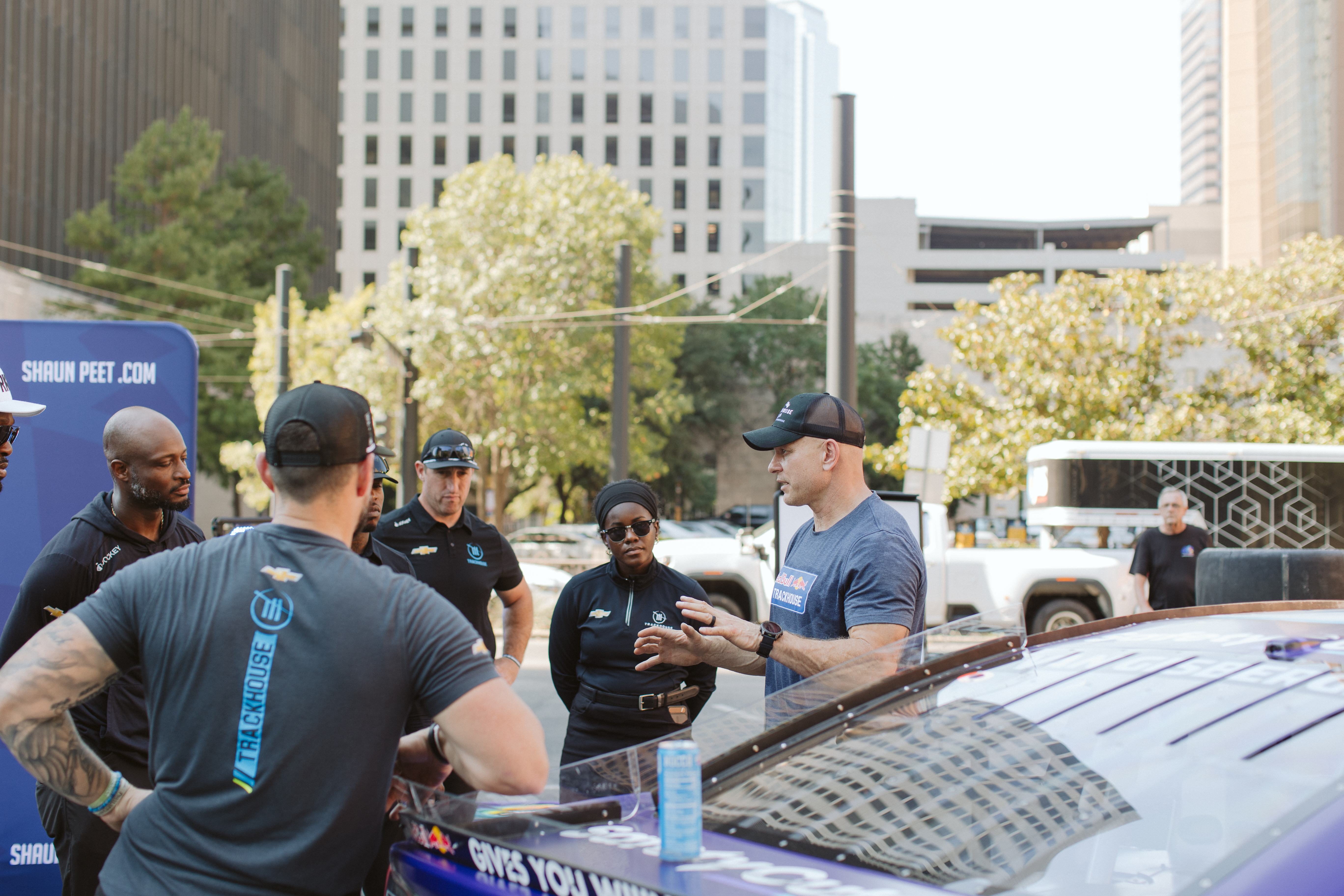
Shaun Peet's expertise in change and adaptability doesn't come from a textbook — it comes from the pit lane. As a NASCAR pit crew coach and Chief Kindness Officer at Trackhouse Racing, Shaun has spent his career building teams that execute complex, high-stakes work in seconds, under pressure, with zero margin for hesitation. There is arguably no environment on earth that demands faster adaptation than a pit stop, where a plan can change in an instant and the team has to respond instantly, together, without losing precision.
That environment is a direct parallel to what today's leaders face in the boardroom: incomplete information, compressed timelines, and the need to make confident calls while everything moves fast around them. As co-author of 12 Second Culture and founder of the Pit Road Advantage Group, Shaun translates those lessons from the racetrack into practical tools leaders can apply immediately — frameworks for staying composed, communicating clearly, and building resilience in the workplace, so teams don't just survive change, they perform through it.
As a change management speaker, Shaun doesn't offer abstract theory. He offers a lived, tested model of what it actually looks like to adapt under pressure — and he shows leaders how to build that same capability in their own teams.
What to Look for in a Change Management Speaker
When an event organizer, HR leader, or executive team is evaluating a leading through change speaker for a conference, offsite, or leadership event, a few things separate a genuinely valuable session from a forgettable one:
- Real-world credibility, not just theory — a speaker who has actually operated under pressure, not only studied it.
- Practical, applicable frameworks the audience can use the next day, not just an inspiring hour.
- A message tailored to the audience — the challenges of a leadership offsite differ from those of an all-hands conference, and the content should reflect that.
- Engagement, not just information — a session that involves the room, not a one-way lecture.
- A track record of helping organizations build organizational agility, not just talk about it.
A strong change management keynote speaker leaves leaders with more than motivation — they leave with a framework they can put to work the moment they're back at their desks.
Book Shaun Peet for Your Next Event
If your organization is heading into a period of change — a restructuring, a market shift, a leadership transition, or simply the ongoing pressure of a fast-moving industry — the leaders in the room need more than encouragement. They need a proven framework for adapting under pressure and leading their teams through uncertainty with clarity and confidence.
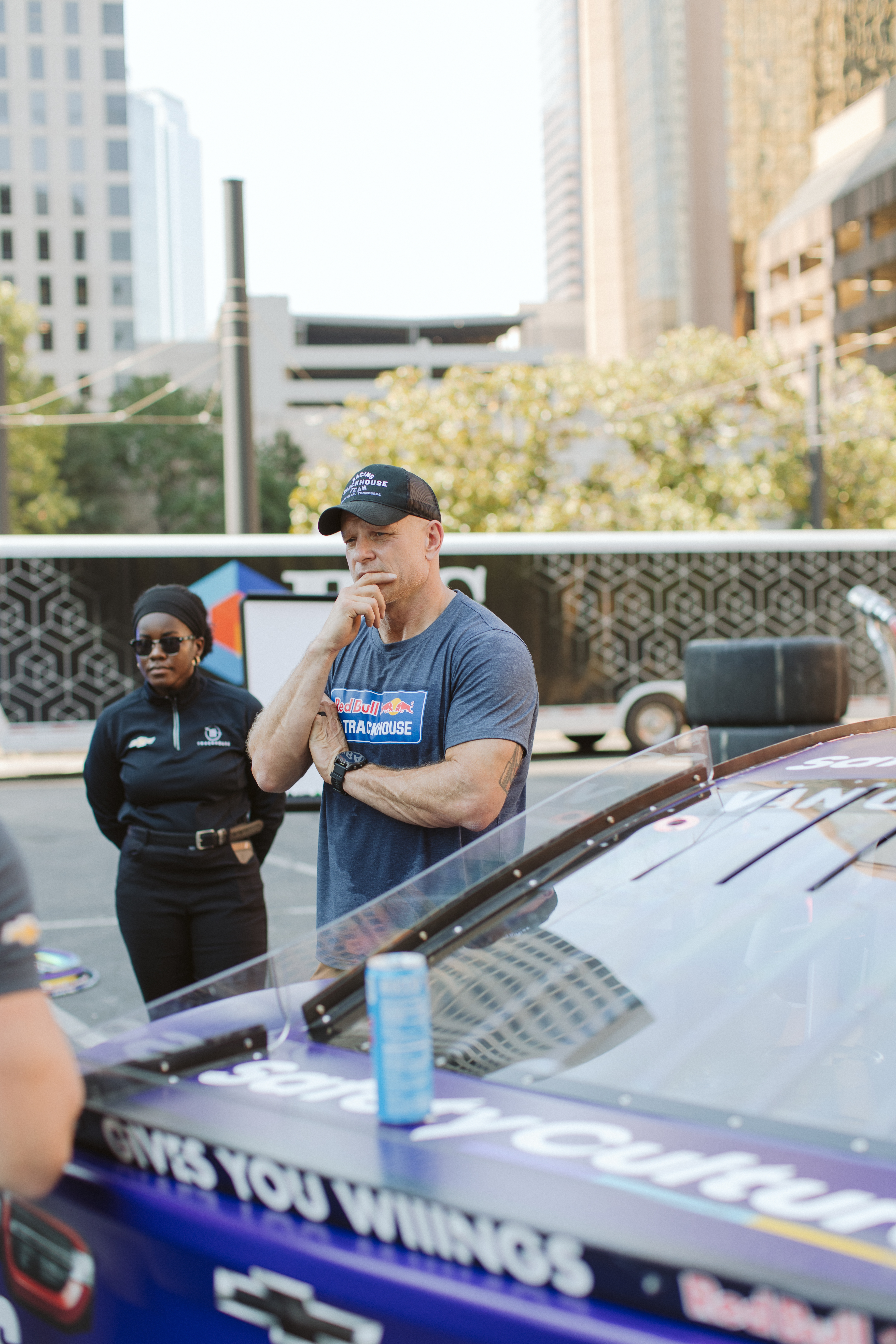
Shaun Peet brings that framework to conferences, leadership offsites, and corporate events, drawing on decades of experience building high-performance teams in one of the most demanding environments in sports. Ready to prepare your leaders for what's next? Reach out to Shaun at [email protected] or visit https://shaunpeet.com to book Shaun Peet for your next event.